
The Social Science Data Analysis Network (SSDAN) is a university-based organization that creates demographic media (such as user guides, web sites, and hands-on classroom computer materials) that make U.S. census data accessible to policymakers, educators, the media, and informed citizens. SSDAN is directed by demographer William H. Frey and utilizes facilities at the Population Studies Center, University of Michigan.
An Introduction to SSDAN
Tips for using Learning Modules
An Introduction to WebChip
Now live!
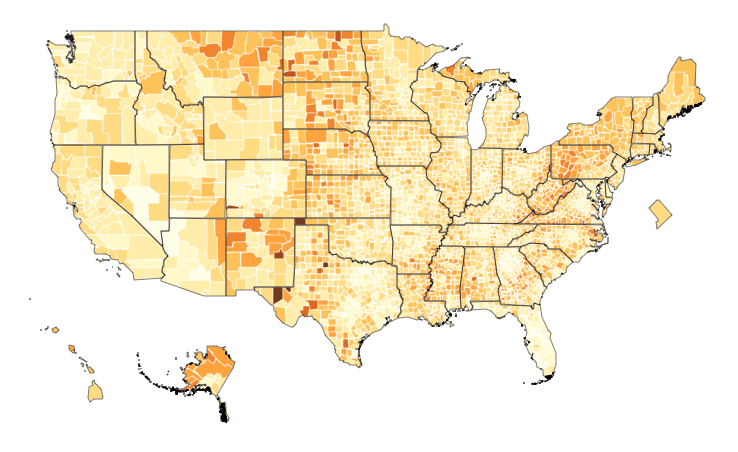
CensusSight — SSDAN’s interactive mapping project revealing U.S. demographic and social change through dynamic Census and ACS data visuals (through 2023). Learn more here!
Upcoming Events:
The 2025 Kyle Walker Webinar Series: Analyzing 2020 Census, 2023 ACS Data, and Mapping with R’s recordings are now available here on our website and on our YouTube Channel.




Module of the Month!
Explore the dynamic world of demographic analysis with your class by adding one of SSDAN’s featured learning modules to your course! This free resource guides students through the process of using American Community Survey (ACS) and Census data to uncover trends in population shifts and social change.
Designed for first and second-year social sciences courses, these modules combine quantitative methods with real-world applications, empowering students to make data-driven decisions. Engage your classroom with hands-on activities, interactive visualizations, and practical assignments that enhance critical thinking and analytical skills. Dive into the data and discover the stories it tells!